
Skip down to main content

Fair Digital Economies

worker

Fair Digital Economies

The challenge

Digital technologies are rapidly reshaping the nature of work and economic production networks on a global scale, transforming how value is created, distributed, and governed. While these shifts open up new possibilities, they can also intensify existing inequalities and introduce new forms of vulnerability. Effective governance of these transformations requires understanding and addressing power imbalances and promoting equitable outcomes while fostering justice, equity, and social progress.

Our research

The Fair Digital Economies and Work Group (FDEWG) investigates the systemic inequities embedded in digitally mediated labour and economic systems. Our mission is to map power imbalances and distributive outcomes in digital economies and work, and to develop evidence-based interventions that advance justice, equity, and meaningful change worldwide.

We take a multidisciplinary approach, bringing together expertise from the social sciences, law and ethics to uncover systemic factors driving inequalities and design strategies to address them. Our research draws on both emerging trends and historical patterns of inequality and resistance, offering insights to inform evolving forms of organisation and collective action in the digital age.

Through participatory action research, our work prioritises the lived experience of affected communities. We work closely with workers, civil society organisations, platform companies, policymakers, and trade unions to co-create actionable strategies for fairer digital economies. These include transparency standards for algorithmic management, equitable payment and value distribution models, and governance frameworks that safeguard worker rights, for example.

Our impact

Policy engagement is central to the FDEWG’s mission. We work with government bodies, regulatory agencies, and international organisations to translate research findings into evidence-based policy recommendations, ranging from labour protections for platform work to ethical AI guidelines and inclusive digital marketplace regulations. By fostering dialogue among scholars, policymakers, and industry leaders, we bridge the gap between theory and practice.

Work is at the heart of all economic systems and is a key driver of inequalities. That’s why it forms the foundation of our research, providing a lens through which to understand and address broader societal inequities. Work is tied to issues of fairness and ethics in global production networks, which influence how resources are distributed, how labour conditions are shaped, and who benefits from economic activity.

By combining empirical research, actionable solutions, and collaborative engagement, we aim to address the root causes of inequality and promote meaningful improvements across communities, industries and institutions.

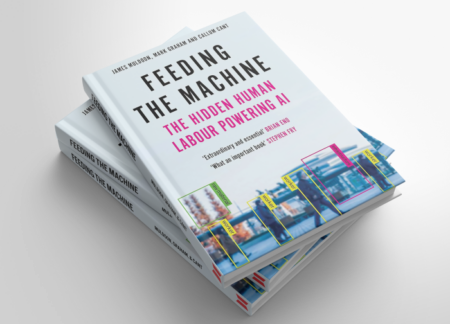
Featured publication

The team

Visiting team members

Dr Funda Ustek Spilda

Former Research Associate

Dr Adam Badger

Former Research Associate

Dr Kavita Dattani

Former Postdoctoral Researcher

Dr Wm. Matthew Kennedy

Marie Skłodowska-Curie Fellow

Alex Shee

Visiting Policy Fellow

News

Related Topics: