
Skip down to main content

Equitable Access to Quality Information Lab (eaqilab)

AI Image

Equitable Access to Quality Information Lab (eaqilab)

Composite / Adobe Stock (1168446387)

The challenge

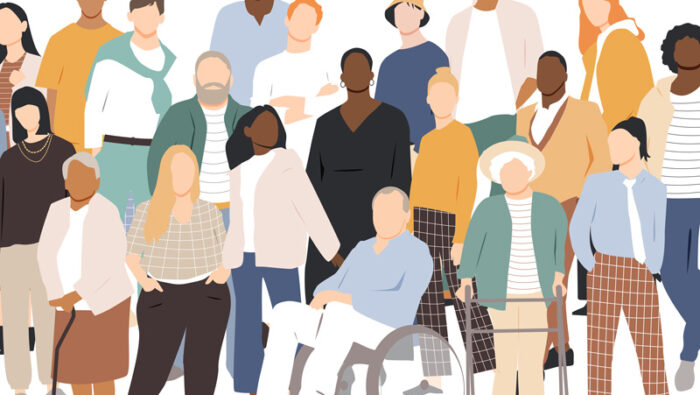
From finding the best local restaurant to seeking medical advice, the information we consume shapes our choices. However, high-quality information is not equally accessible to all people online. Language barriers, socio-economic factors, digital literacy, misleading information, and personal attacks all contribute to growing inequalities in our online information ecosystem.

Our research

The Equitable Access to Quality Information Lab (eaqilab) at the Oxford Internet Institute is dedicated to researching and addressing these disparities. Our work explores how people navigate the digital landscape, what influences the visibility of information, and how misinformation, bias, and hate speech impact decision-making across different communities.

For too long, efforts to bridge the digital divide have focused solely on internet connectivity. In an age of information overload, access alone is not enough. Communities need tools to evaluate, organise, and make sense of the vast amounts of information they encounter daily. Our research helps design these tools, ensuring they are inclusive, effective, and relevant for diverse populations.

Machine learning and artificial intelligence hold incredible potential for improving access to quality information, but current AI advancements are largely designed for the global north. As AI, social media, and messaging apps increasingly mediate how people access news and knowledge, we must ensure these technologies work for everyone, especially communities in the larger world (aka global south).

Our impact

equality

Our research goes beyond theory. It drives policy, informs technology development, and supports civil society organizations worldwide. By developing research-driven solutions, we aim to create a more equitable digital world – one where everyone has the tools and knowledge they need to navigate, evaluate, and trust the information they consume.

For example:

  • Human feedback in AI. We conducted a global study with 1,500 participants across 75 countries to understand how human feedback shapes LLM training.
  • Election disinformation in Brazil. Partnering with civil society, we analysed misinformation mitigation strategies during elections.
  • Digital good network. We are exploring how generative AI is shaping messaging apps and online interactions.
  • Online extremism and recruitment. We are investigating how gangs use viral content to recruit individuals online.
  • Crowdfunding for social enterprises. We are studying the factors that influence fundraising success in the digital space.
  • Seeing migration narratives. We are examining how migration stories shape public discourse and policymaking.

Our team

Related Topics: