
The Digital Lives of Care-experienced Children
This project investigates how digital skills develop in the absence of traditional family support structures and aims to identify any critical and overlooked gaps that emerge.
This project investigates how digital skills develop in the absence of traditional family support structures and aims to identify any critical and overlooked gaps that emerge.

UK policy makers are facing a teacher recruitment and retention crisis, driven by workload and the changing nature of teachers’ work. This project explores how AI reconfigures teachers' work, and the implications for workload, identity and pedagogy.

This project uses a longitudinal randomised controlled trial to examine how prolonged LLM use changes people's perceptions and expectations of humans, the ways these changes may disproportionately impact women, and how such effects are linked to addi

This project investigates how low-resource AI chatbots shape labour and education outcomes in digitally underserved communities in Sierra Leone.

This project investigates how worker representation in German firms shapes AI use and adoption, asking whether employee voice at firms can steer AI toward complementing workers rather than automating them.

The project will investigate the international relations and social dynamics of international AI competition, specifically the sociopolitical and bureaucratic drivers of US-China AI competition.

Hire AI – Hiring Impact of Recognised Expertise in Artificial Intelligence explores how AI skills influence hiring decisions in modern labour markets.
The Synthetic Society Lab aims to improve how we research, access, and use sensitive human data. The fellowship will advance an evidence-based science of privacy engineering to make research using digital traces safe and reliable.
We’re developing an open source method of collecting behavioural video game data, to allow for rigorous science without relying on direct collaboration with industry.

The emergence of AI image generation tools raises questions about their impact on creative professionals. This project seeks to work with professional photographers to explore the impact of this technology on their occupational legitimacy.
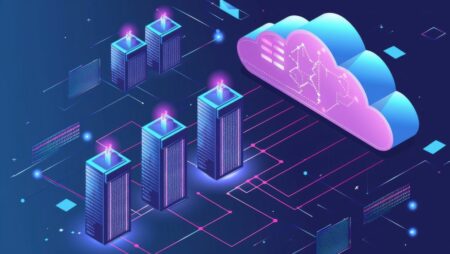
The shift to cloud represents a reversal of the 1980s personal computing revolution: computation is moving from personal devices back into large, centralized facilities. This project seeks to understand the economic drivers of this reversal.

With mobile devices ubiquitous among young people, it is not surprising that parents are increasingly turning to technology for help in childcare. This project examines monitoring technologies and how parents use them as part of child supervision.